

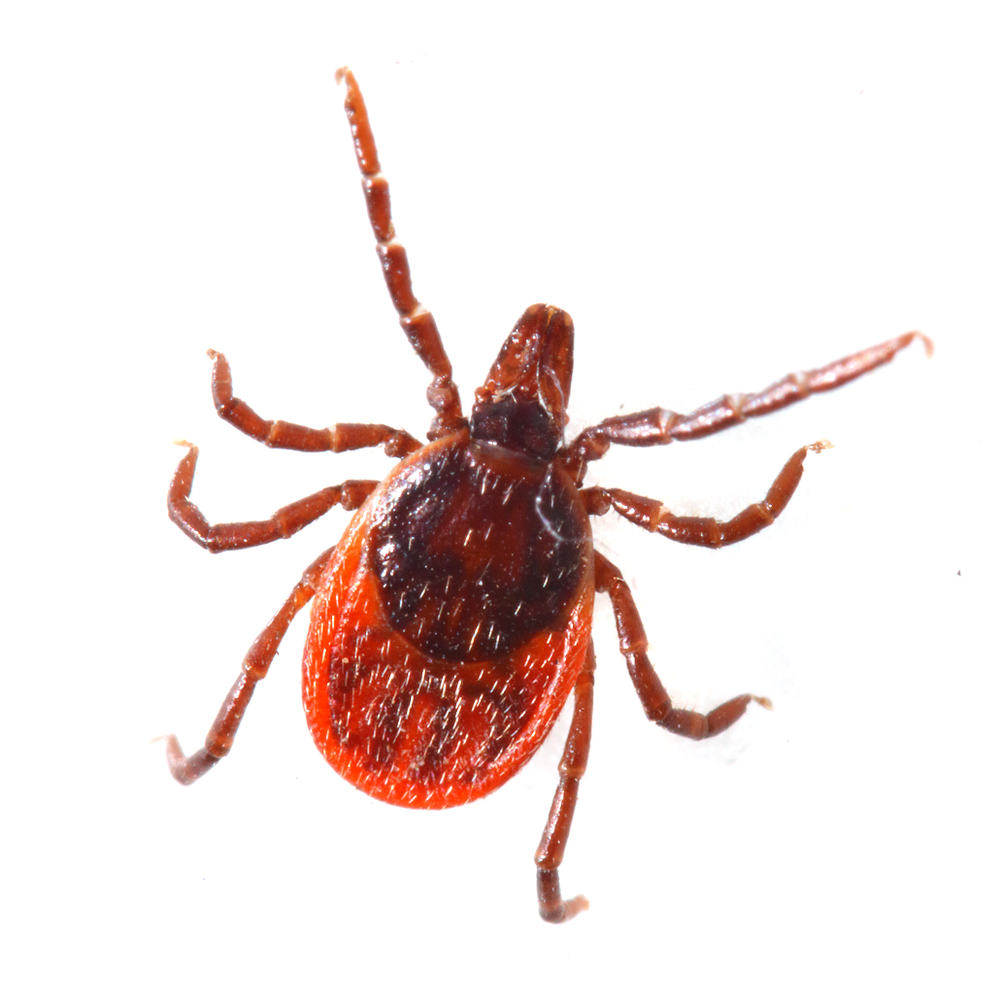
By Heather Roncinske Founder & Owner, Monarch Pest Control Corporation
Ticks in New Jersey- Their Biology, Life Cycle, and Why Professional Prevention Is Essential for Your Home New Jersey’s wooded yards, suburban landscapes, and parks make it one of the top states for tick activity in the Northeast. These tiny arachnids pose a serious health risk to families and pets by transmitting Lyme disease, anaplasmosis, babesiosis, and other illnesses. Understanding their biology, breeding habits, and life cycle helps homeowners see why waiting for a problem is risky — and why proactive professional tick prevention from Monarch Pest Control NJ is the smartest defense. Biology of Ticks Common in New Jersey
The primary species affecting NJ homes are the blacklegged tick (deer tick), American dog tick, and lone star tick. Ticks are not insects — they are arachnids with eight legs in their nymph and adult stages. They survive by feeding exclusively on blood from mammals, birds, or reptiles. Using a behavior called “questing,” ticks climb to the tips of grass or shrubs and wait with front legs outstretched to latch onto a passing host. They thrive in humid, shaded areas with leaf litter, tall grass, and woodland edges — exactly the environments many NJ properties offer. Life Cycle of Ticks in New Jersey
Ticks go through four distinct stages: egg, larva, nymph, and adult. The full cycle for the blacklegged tick (the most dangerous in our state) typically takes two years.
-
Egg stage: A female lays thousands of eggs on the ground in late spring after feeding.
-
Larva stage: Tiny six-legged larvae hatch in summer and seek a first blood meal from small rodents or birds.
-
Nymph stage: After molting, poppy-seed-sized nymphs become active in late spring and early summer of the following year — the stage most likely to transmit disease because they are hard to spot.
-
Adult stage: Eight-legged adults are active from fall through spring. They feed on larger hosts like deer, mate, and the females drop off to lay eggs, restarting the cycle.
Adult blacklegged ticks can even remain active on warmer winter days, extending their threat year-round in New Jersey. Breeding and Reproduction
Mating occurs on the host animal. Once engorged with blood, the female drops to the ground, digests her meal, and lays 1,500–4,000 eggs in a single batch. One female can produce thousands of offspring, allowing populations to explode quickly in untreated yards. Larvae and nymphs rarely travel far, so infestations often start and stay right in your backyard. The Hidden Risks to Your Family and Home
A single unnoticed nymph bite can lead to Lyme disease, which has reached epidemic levels in New Jersey. Ticks also hitch rides on pets and wildlife, bringing them straight to your doorstep. Without expert intervention, DIY sprays and yard maintenance rarely reach the leaf litter and soil where ticks hide and breed. Why Choose Monarch Pest Control for Tick Prevention in Your NJ Home
At Monarch Pest Control NJ, we don’t just treat symptoms — we prevent infestations before they start. Our licensed technicians create a customized tick barrier around your property using targeted, family- and pet-safe treatments that reduce populations at every life stage. We focus on high-risk areas like woodland edges, shrubbery, and play zones while offering seasonal programs that keep your yard protected from spring through fall (and into milder winters). Our local knowledge of New Jersey’s tick species and habitats means faster, more effective results you can trust. Homeowners who partner with us enjoy peace of mind knowing their children, pets, and loved ones can enjoy the outdoors safely. Don’t wait for a tick problem to arise. Contact Monarch Pest Control NJ today for a free property inspection and professional tick prevention plan tailored to your home. Protect what matters most — schedule your service now and reclaim your yard.